



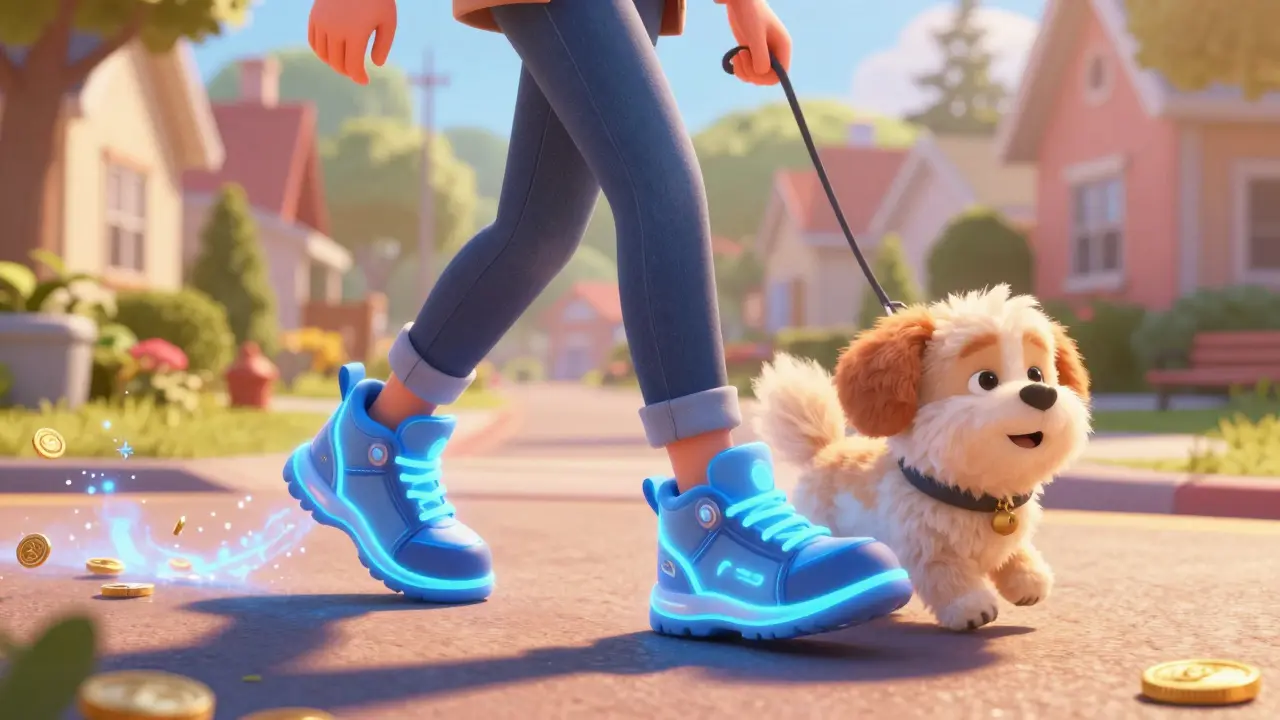
Imagine getting paid just for taking your dog for a walk or jogging around the block. It sounds like a dream, but Step App is a Web3-based fitness application that turns physical activity into digital assets using a move-to-earn model . Instead of just tracking steps for a health app that gives you a digital badge, this platform uses blockchain technology to reward your sweat with actual cryptocurrency. If you've ever felt that your gym membership is a one-way street where you only give money, this is essentially the opposite.
The Fast Facts: What You Need to Know
- Core Concept: Move-to-Earn (M2E) where walking and running earn you tokens.
- Main Token: FITFI (Governance and ecosystem utility).
- Secondary Token: KCAL (In-game rewards).
- Network: Built on the Avalanche blockchain.
- Requirement: You need an NFT (like virtual sneakers) to start earning.
How the Step App Ecosystem Actually Works
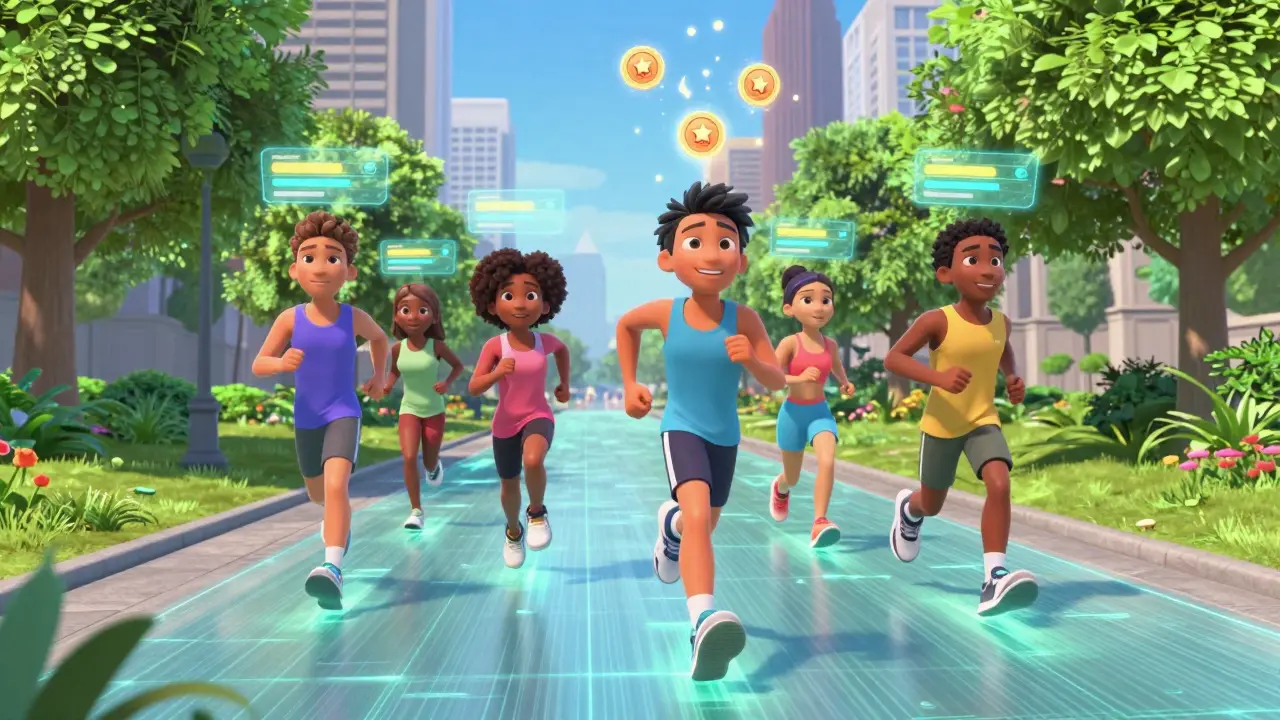
At its heart, Step App is a mix of a fitness tracker, a social network, and a game. It doesn't just count steps; it creates a gamified metaverse. By using augmented reality, the app blends your real-world environment with a virtual one, making a morning run feel more like a quest in a video game. You can compete with friends, join chats, and explore virtual spaces while your phone tracks your actual movement.
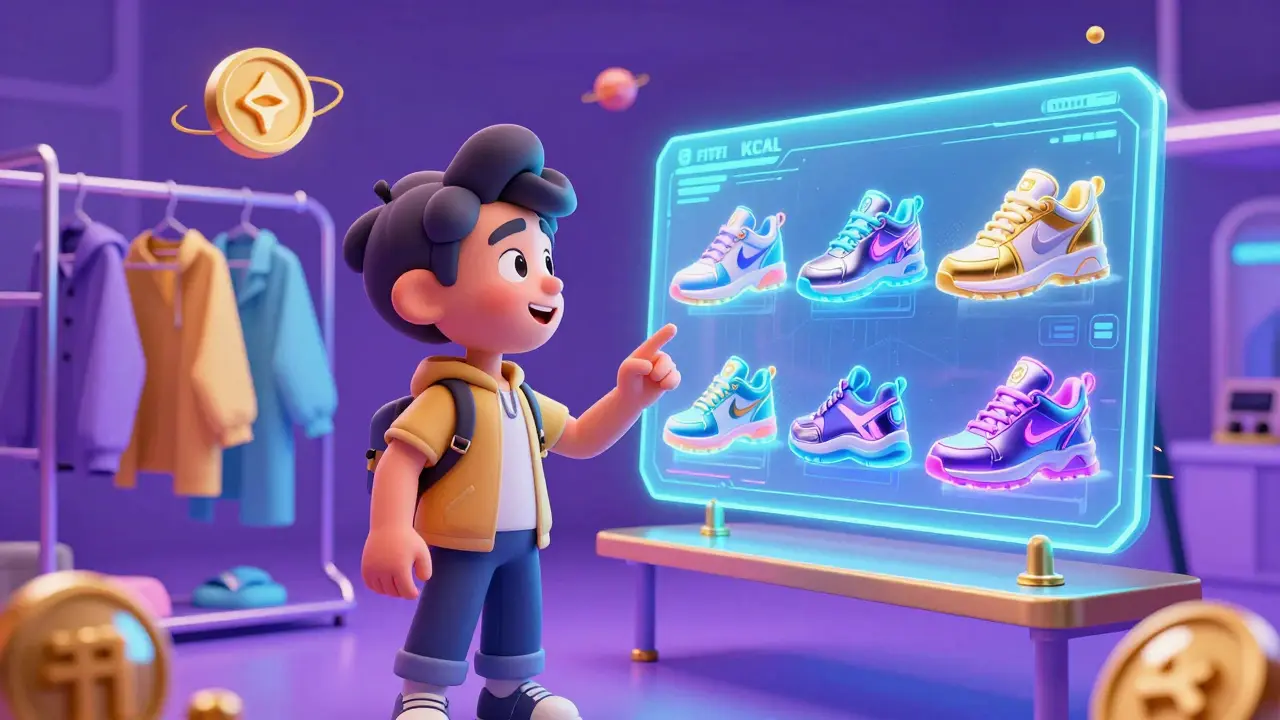
To get the wheels turning, you can't just download the app and start printing money. You have to enter the ecosystem through NFTs is unique digital assets, such as virtual sneakers, that grant users the ability to earn rewards . These NFTs act as your "entry ticket." The better your gear, the better your experience and potential earnings within the app. This creates a marketplace where users buy, sell, and trade their digital fitness gear based on its utility.
Understanding the Dual-Token Economy: FITFI vs. KCAL
One of the most confusing parts for newcomers is why there are two different coins. Step App uses a dual-token system to keep the economy stable. If they used one coin for everything, the price would swing wildly every time a few people decided to go for a long hike.
FITFI is the primary governance token of the Step Labs Ecosystem . Think of FITFI as the "corporate stock" of the app. It's used for the heavy lifting: paying ecosystem fees, staking for rewards, and most importantly, buying those initial NFTs you need to start. If you hold FITFI, you have a say in how the project evolves.
On the other hand, KCAL is the ecosystem and in-game utility token used for daily rewards . This is the currency you earn for your daily walks and jogs. It's designed for high-frequency use and rewards, keeping the daily grind of fitness motivating without putting too much pressure on the governance token's price.
| Feature | FITFI | KCAL |
|---|---|---|
| Primary Role | Governance & Utility | In-game Rewards |
| Main Use Case | Buying NFTs, Staking, Voting | Earning from physical activity |
| Volatility Goal | Long-term value hold | Short-term utility flow |
| Access Level | Required for ecosystem entry | Earned through participation |
The Technical Backbone: Why Avalanche?
Step App isn't floating in a vacuum; it's built on the Avalanche Blockchain is a Layer-1 network known for high throughput and low latency using a Proof-of-Stake consensus mechanism . This choice is critical because move-to-earn apps generate a massive amount of small transactions. If they used a slower network, you'd be paying more in "gas fees" to claim your rewards than the rewards were actually worth.
By operating on the Avalanche C-Chain, Step App ensures that transaction tracking is transparent and fast. For users, this means you can move your FITFI tokens between the main network and your personal wallets (like MetaMask) without waiting hours for confirmation. It also protects the network from Sybil attacks, ensuring that the people earning the tokens are actually moving, not just running bots on a server.
Current Market Reality: Price and Performance
If you're looking at FITFI from an investment perspective, the numbers show a project that is firmly in its growth phase. As of April 2026, the price generally hovers around the $0.0006 range, though it fluctuates across different exchanges. For example, while Binance and Kraken show prices near $0.00061, other platforms like KuCoin might show slight variations. This is standard for crypto; price discovery happens across many venues simultaneously.
The market capitalization is modest, often cited between $2.2 million and $2.9 million. While this is small compared to giants like Bitcoin, it's typical for a niche fitness project. The 24-hour trading volume, however, is surprisingly high-sometimes reaching tens of millions of dollars on exchanges like KuCoin. This suggests a lot of active trading and speculation around the token's potential.
One key metric to watch is the Fully Diluted Valuation (FDV). With a maximum supply of 4.6 billion tokens, the FDV represents what the total market cap would be if every single token were released today. Because not all tokens are circulating yet, there is a "token emission schedule" that will release more coins over time, which can impact the price if demand doesn't keep up with the new supply.
Pros and Cons of the Move-to-Earn Model
Is this a foolproof way to get fit and rich? Not necessarily. Like all blockchain experiments, there are trade-offs.
The Upside: It provides an immediate, tangible reward for a habit that is usually only rewarded by long-term health benefits. The social and competitive elements (leaderboards, chatting) turn a lonely jog into a community event. Plus, the integration of NFTs adds a layer of digital ownership that traditional apps like Strava or Fitbit simply don't offer.
The Downside: The "entry fee" is a barrier. Having to buy an NFT with FITFI just to start earning can feel like a pay-to-win system. Additionally, the volatility of cryptocurrency means the value of your "earnings" can drop 10% while you're still on your cooldown stretch. There's also the risk of "burnout" where users focus more on the money than the actual health benefits.
How to Get Started with Step App
- Set Up a Wallet: You'll need a compatible wallet like MetaMask. You can import FITFI using the contract address 0x714f020c54cc9d104b6f4f6998c63ce2a31d1888.
- Acquire FITFI: Purchase tokens from a supported exchange such as Binance, Kraken, or KuCoin.
- Get Your Gear: Use your FITFI to purchase your first NFT sneaker. Without this, you can't earn KCAL.
- Start Moving: Connect your smartphone's activity tracker, start walking, and watch your KCAL balance grow.
- Manage and Trade: Use the app's SCAN function to track your transactions in real-time on the Step Network.
What is the difference between FITFI and KCAL?
FITFI is the governance token used for high-level ecosystem actions like buying NFTs, staking, and voting on project changes. KCAL is the utility token that users earn as a direct reward for their physical activities within the app.
Can I earn FITFI without buying an NFT?
No, the move-to-earn mechanism requires you to own at least one NFT (typically a virtual sneaker) to unlock the ability to earn rewards. FITFI is used to purchase these NFTs.
Which blockchain does Step App use?
Step App is built on the Avalanche blockchain, specifically utilizing the C-Chain to ensure fast transactions and low fees for its users.
Is the FITFI token safe?
Like all cryptocurrencies, FITFI is subject to market volatility. However, it is traded on several reputable exchanges like Binance and Kraken and is built on the secure Avalanche PoS network.
What happens to the tokens I earn?
Tokens earned (KCAL) are credited to your in-app wallet. Depending on the current ecosystem rules, you can use them for in-game enhancements or potentially convert them based on the app's available liquidity and exchange options.
Next Steps and Troubleshooting
If you're a fitness enthusiast, start by comparing your current activity levels with the rewards potential in the app. Don't spend more than you can afford to lose on the initial NFT, as the token market is volatile.
If you're a crypto investor, keep an eye on the token emission schedule and the growth of the active user base. A rise in real-world users usually drives demand for the entry NFTs, which in turn increases demand for FITFI.
Common Issue: Tokens not showing in wallet? Ensure you have added the FITFI contract address manually to your MetaMask. Many wallets don't automatically detect new tokens on the Avalanche chain until you tell them exactly what to look for.


Write a comment