




You might have heard rumors that crypto exchanges are banned in Nigeria. If you tried to buy Bitcoin with Naira last year, you probably felt the friction. But here is the reality as of late 2026: there is no blanket ban on cryptocurrency itself. Instead, Nigeria operates a strict licensing regime. If an exchange hasn't got its papers in order with the Securities and Exchange Commission (SEC), it effectively faces a ban from operating locally. This distinction matters because your access depends entirely on whether the platform holds a valid license.
The shift happened when President Bola Ahmed Tinubu signed the Investments and Securities Act (ISA) in March 2025. This law redefined digital assets as securities. It moved Nigeria away from the Central Bank of Nigeria's (CBN) old banking restrictions toward a regulated market. So, when people ask about banned exchanges, they are usually asking which ones lost their ability to serve Nigerian customers due to non-compliance or lack of licensing.
The Difference Between a Ban and a Restriction
Let's clear up the confusion. A total ban means you cannot own or trade crypto at all. That is not the case in Nigeria. What you face is a restriction on how you interact with specific platforms. The SEC requires every Virtual Asset Service Provider (VASP) to obtain a license. If a global giant like Binance doesn't comply, it can't legally offer Naira services.
This creates a two-tier system. Licensed exchanges operate openly, integrate with local banks, and follow strict anti-money laundering rules. Unlicensed exchanges often find their domains blocked by internet service providers or their payment channels frozen. You might still be able to log in using a VPN, but you cannot easily deposit or withdraw Naira through standard banking rails. The government isn't stopping you from holding Bitcoin; they are stopping unregulated entities from touching your money without oversight.
Binance: The Most Notable Case Study
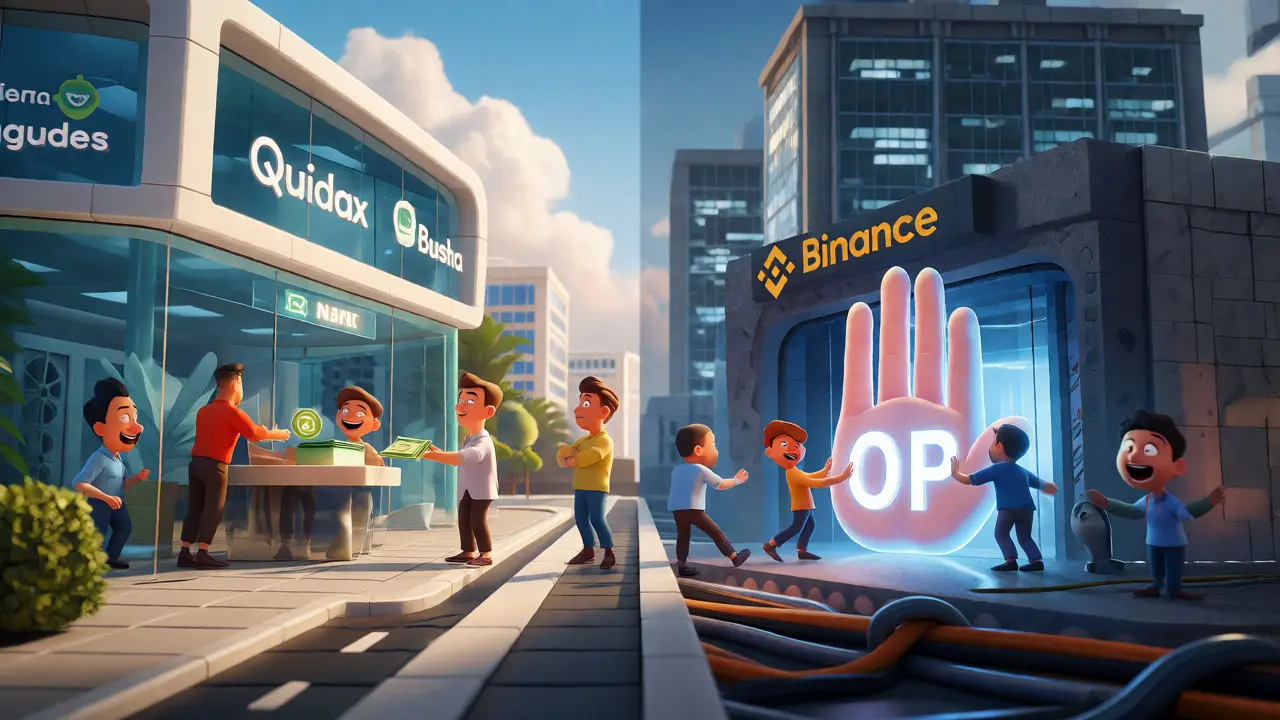
No discussion about restricted platforms in Nigeria ignores Binance. It is the world's largest crypto exchange, but its status in Nigeria has been complicated. In February 2024, Binance suspended peer-to-peer Naira trades. Telecoms also blocked access to the Binance domain for many users. Did this mean Binance was banned? Technically, no. There was no official decree stating "Binance is illegal."
Instead, it was a functional suspension. Users could still maintain accounts and withdraw crypto to external wallets. However, the ability to use local bank transfers for deposits and withdrawals vanished for most. As of 2026, while some technical workarounds exist, Binance does not hold a full operational license for Naira services comparable to domestic players. This makes it difficult for new users to onboard directly via local bank cards. The regulatory pressure forced Binance to halt direct fiat on-ramps, leaving a gap filled by licensed local competitors.
Licensed Platforms Operating Legally
If you want a hassle-free experience, sticking to licensed exchanges is the smart move. These platforms have navigated the SEC's vetting process, proving they meet capital requirements, cybersecurity standards, and consumer protection laws. Two names stand out as early adopters of this compliant model.
| Platform Name | Licensing Status | Naira Support | Key Features |
|---|---|---|---|
| Quidax | Fully Licensed by SEC | Direct Bank Integration | High liquidity, mobile-first design, robust KYC |
| Busha | Fully Licensed by SEC | Direct Bank Integration | User-friendly interface, educational resources, secure custody |
| Yellow Card | Regulated VASP | Agent Network & Bank Transfer | Strong offline presence, easy cash-in/cash-out |
Quidax received early approval from the SEC. It serves as a benchmark for compliance. Because it is licensed, Quidax can partner directly with Nigerian banks. This means when you sell Bitcoin, the Naira hits your bank account quickly and reliably. You don't need to rely on risky peer-to-peer matches where a buyer might ghost you. The same applies to Busha, another homegrown success story that prioritized regulatory alignment before scaling up.
Why Some Global Exchanges Are Effectively Blocked
It isn't just Binance. Any international exchange that fails to register with the SEC faces similar hurdles. The SEC has enforcement powers to suspend licenses or shut down operations for non-compliant firms. For foreign exchanges, the barrier to entry is high. They must implement strict Know Your Customer (KYC) checks, Anti-Money Laundering (AML) protocols, and Combating the Financing of Terrorism (CFT) controls.
Many global platforms hesitated to commit to these costs. Others tried to operate in a gray area, serving Nigerians without local infrastructure. The result? Internet Service Providers (ISPs) block their websites. Banks refuse to process transactions linked to them. So, while you might see a list of "banned" exchanges online, what you are really seeing is a list of unlicensed exchanges that regulators have cut off from the local financial ecosystem. This includes various mid-tier global platforms that haven't secured a Nigerian foothold.
The Role of the Central Bank and Tax Laws
You might remember the 2021 CBN circular that told banks not to deal with crypto businesses. That era is over. In late 2023, the new CBN governor lifted those banking restrictions. This paved the way for the ISA 2025. Now, banks can service licensed crypto companies. This collaboration is key. Without bank support, an exchange is dead in the water. With it, they thrive.
There is also a new tax angle. The Nigeria Tax Administration Act (NTAA) 2025, effective in 2026, imposes heavy penalties for non-compliance. If a VASP fails to report taxes or adhere to guidelines, they face fines starting at ₦10 million ($6,693) for the first month of default. This financial risk discourages fly-by-night operators. It forces serious players to stay compliant or leave the market. For users, this means fewer scams, but also fewer choices if you prefer obscure altcoin exchanges that aren't worth the licensing effort.

How to Check if Your Exchange Is Safe
Don't assume a popular app is legal. Here is a quick checklist to ensure you aren't trading on a restricted platform:
- Check the SEC Website: Look for the exchange's name on the SEC's list of registered VASPs. If it's not there, it's likely operating illegally or under a temporary sandbox exception.
- Test Naira Deposits: Try a small deposit from your bank. If it fails or gets flagged, the exchange may not have direct banking integration.
- Look for Local Support: Licensed exchanges usually have local customer service teams who understand Nigerian banking hours and holidays. Global apps often lack this nuance.
- Review Withdrawal Speeds: Legal exchanges process withdrawals predictably. Restricted ones often delay payouts or require manual verification that takes days.
Using a VPN to access a blocked site is one thing. Moving large sums of money through an unregulated entity is another. If the exchange freezes your funds, you have little recourse with the SEC if they weren't licensed in the first place. Stick to the approved list to keep your assets safe.
The Future of Crypto Regulation in Nigeria
Nigeria is positioning itself as a fintech hub, not a crypto desert. The $92.1 billion in crypto value received between July 2024 and June 2025 proves the demand is real. Regulators know they can't ignore this volume. Expect more exchanges to seek licensing in 2026 and 2027. We may see stricter rules on DeFi protocols and stablecoins next. But for now, the message is clear: play by the rules, get licensed, and you can do business. Ignore them, and you'll find your doors closed.
Is Binance completely banned in Nigeria?
No, Binance is not officially banned by law. However, it faces significant restrictions. Its Naira trading features were suspended, and its website is often blocked by ISPs. Users can still access the platform via VPN for crypto-to-crypto trades, but direct Naira deposits and withdrawals are largely unavailable through standard banking channels due to lack of full local licensing.
Which crypto exchanges are legal in Nigeria?
Exchanges that hold a valid license from the Securities and Exchange Commission (SEC) are legal. Prominent examples include Quidax, Busha, and Yellow Card. These platforms comply with local laws, allowing them to integrate with Nigerian banks and offer seamless Naira transactions.
Can I still use international exchanges if they are blocked?
Yes, technically you can access blocked international exchanges using a VPN. However, you will likely face difficulties moving money in and out. Since these platforms aren't licensed, local banks may reject transfers, forcing you to use peer-to-peer methods or third-party processors, which carry higher risks and fees.
What happens if I use an unlicensed exchange?
You risk having your transactions flagged or rejected by banks. More importantly, if the exchange shuts down or freezes your funds, you have limited legal protection. The SEC only regulates licensed entities, so disputes with unlicensed platforms are harder to resolve through official channels.
Did the Central Bank of Nigeria lift the crypto ban?
Yes, the CBN lifted the directive prohibiting banks from servicing crypto businesses in late 2023. This allowed banks to work with licensed crypto exchanges. The current framework under the ISA 2025 further solidifies this by requiring exchanges to be licensed by the SEC, creating a regulated environment rather than a prohibited one.