





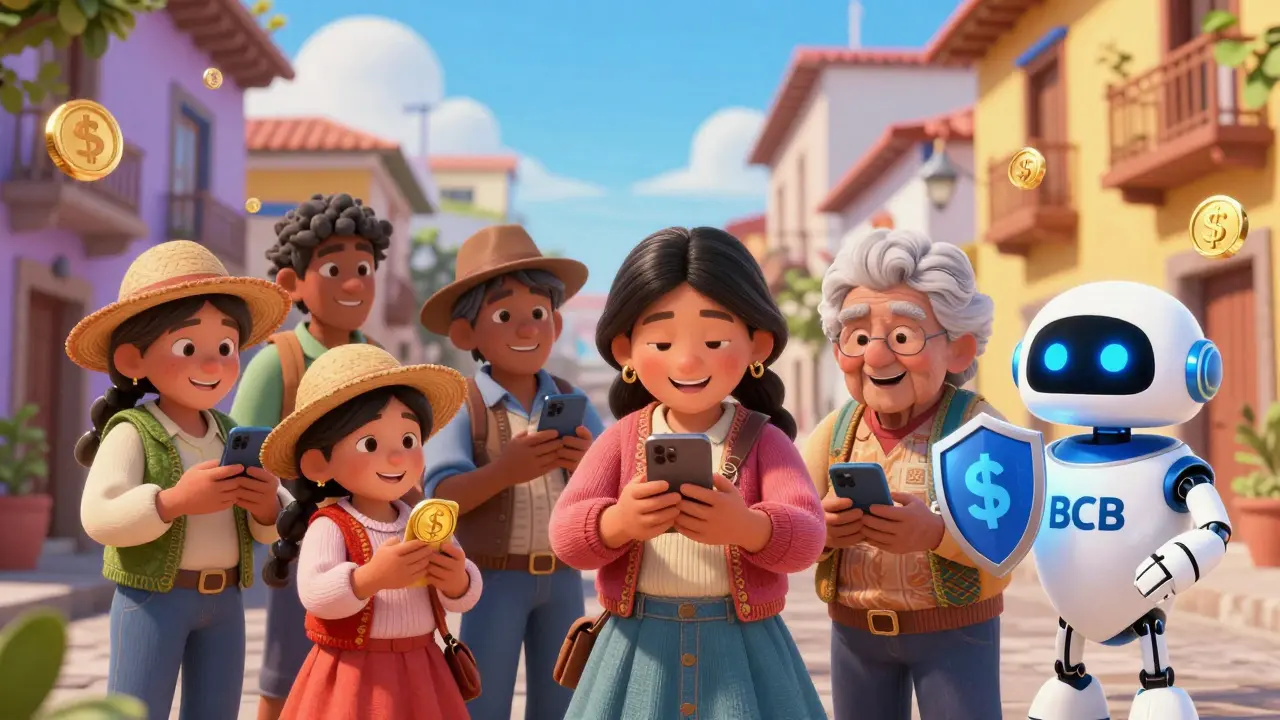
Five years ago, if you told a Bolivian they could legally buy Bitcoin or trade Ethereum, they’d laugh. Or worse - they’d worry you’d get arrested. Back then, Bolivia had one of the strictest crypto bans in the world. The Central Bank of Bolivia (BCB) had outlawed all cryptocurrency transactions since 2014. No banks could touch crypto. No exchanges could operate. Even receiving Bitcoin as payment could land you in trouble. But that’s not the story anymore.
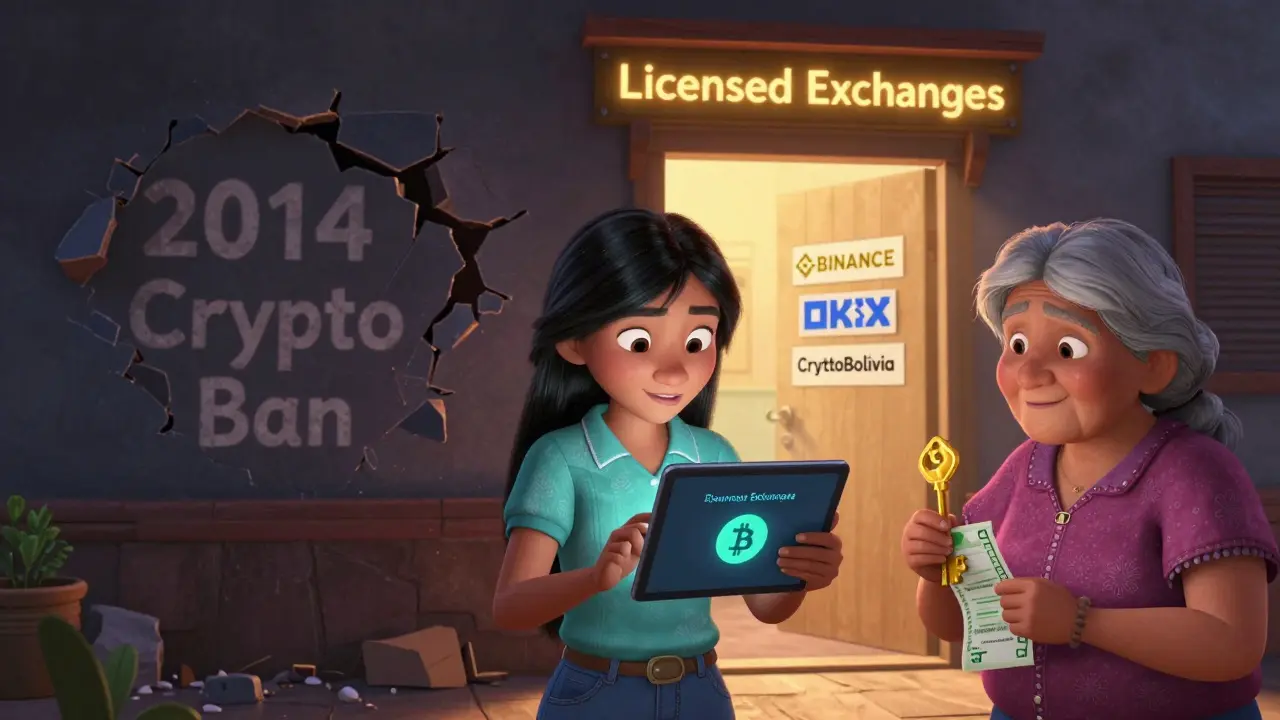
On June 26, 2024, everything changed. Bolivia didn’t just ease its rules - it flipped the script. Resolution No. 82/2024 officially lifted the decade-long ban. And by 2025, the country went from crypto pariah to one of the fastest-growing digital asset markets in Latin America. So how do Bolivians access crypto exchanges now? The answer isn’t about bypassing laws anymore. It’s about using them.
The Ban Was Real - And It Hurt
Before 2024, Bolivia’s crypto ban wasn’t just a policy. It was a wall. The Central Bank of Bolivia called digital currencies a threat to financial stability. They feared inflation, money laundering, and loss of control over the boliviano. But the real problem? The boliviano was crumbling. Inflation soared. The dollar became the unofficial currency for everything from groceries to rent. People needed stability. And they turned to crypto anyway - quietly, risky, and underground.
Some used peer-to-peer (P2P) apps like Paxful or LocalBitcoins. Others traded through Telegram groups or WhatsApp networks. A few even used cash-based swaps with strangers in parks or cafes. But these methods were dangerous. No protection. No recourse if you got scammed. No transparency. And if caught, you risked fines or worse.
It wasn’t just about access. It was about survival. With the local currency losing value, many Bolivians saw crypto not as speculation - but as a lifeline. Especially those sending remittances from abroad. Dollars were hard to get. Bitcoin was easier to receive. So people took risks. And the government knew it.
Why Did Bolivia Change Its Mind?
The shift wasn’t ideological. It was economic. By early 2024, Bolivia was in a full-blown dollar crisis. Imports were collapsing. Foreign reserves were near zero. The government couldn’t pay for fuel, medicine, or machinery. The boliviano was losing value faster than ever. And remittances - a lifeline for millions - were drying up because traditional channels were too slow and expensive.
That’s when the Central Bank of Bolivia looked south. El Salvador had made Bitcoin legal tender in 2021. It wasn’t perfect, but it kept money flowing. So Bolivia did something radical: it stopped fighting crypto. It started using it.
Resolution No. 82/2024 didn’t just lift the ban. It opened the door. And by April 2025, Resolution No. 019/2025 formally recognized virtual assets and the companies that serve them. Then came Supreme Decree No. 5384 in May 2025 - the full legal framework. Now, crypto exchanges, wallet providers, and trading platforms can apply for licenses. They must follow KYC rules, report transactions, and protect users. It’s not lawless. It’s regulated.
How Bolivians Access Crypto Exchanges Today
Now that crypto is legal, accessing exchanges is simple - if you know how.
- Use licensed platforms: Exchanges like Binance, OKX, and local platforms like CryptoBolivia are now registered with the BCB. You can sign up, verify your ID, and trade without fear.
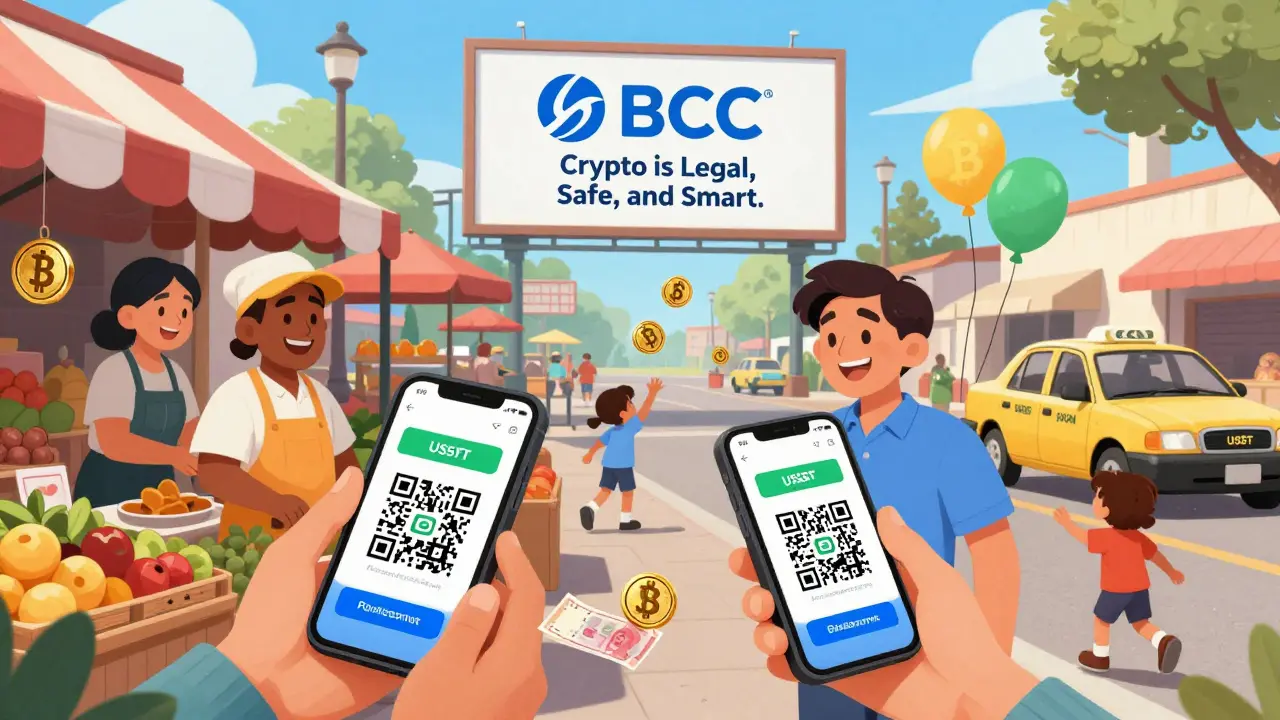
- Stablecoins are the go-to: Since the boliviano is unstable, most people trade in USDT (Tether) or USDC. These are pegged to the dollar. You can buy them on any licensed exchange, send them to a friend, or use them to pay for imports. The BCB even uses stablecoins for cross-border payments now.
- Bank integration is coming: While banks still can’t directly sell crypto, they can now hold accounts for licensed VASPs (Virtual Asset Service Providers). That means you can deposit bolivianos into a licensed exchange’s bank account and buy crypto with a simple transfer.
- P2P is still alive: Many still use P2P apps like Paxful or Binance P2P. But now, it’s safer. Transactions are recorded, and platforms have dispute systems. You’re not trading with a stranger in a park anymore - you’re trading through a regulated system.
The BCB has also launched public education campaigns. Videos. Workshops. Brochures in schools and community centers. They’re teaching people how to spot scams, how wallets work, and why crypto isn’t magic - it’s just another financial tool.
What About the Old Restrictions?
You might hear rumors that crypto is still banned. That’s outdated. Some sectors are still cautious. For example, YPFB - Bolivia’s state oil company - tried to use crypto to buy fuel from abroad in May 2025. The government blocked it. But that wasn’t about crypto. It was about control over state funds. This was an isolated case. It didn’t reverse the broader policy.
Today, the only real restrictions are: no unlicensed exchanges, no anonymous wallets, no mixing services. If you follow the rules, you’re fine. The BCB even works with El Salvador’s digital asset commission to share tools for tracking suspicious activity. That means scams are being caught faster. And users are safer.
Who’s Using Crypto in Bolivia Now?
It’s not just tech-savvy youth. It’s teachers. Farmers. Truck drivers. Grandparents sending money to grandchildren in Spain. A 2025 survey by the Bolivian Institute of Economic Research found that 38% of adults under 45 now own some form of cryptocurrency. Over 60% of those who use crypto say they do it to protect their savings from inflation.
Remittances are the biggest driver. Bolivia receives over $1 billion in remittances yearly. Before, it cost 10-15% to send money home. Now, with USDT, it’s under 2%. People are saving thousands of dollars a year. That’s why adoption exploded - 500% growth in just one year after the ban lifted.
What’s Next for Crypto in Bolivia?
The BCB is working on a digital boliviano - a central bank digital currency (CBDC) - but it won’t replace crypto. It will coexist. Think of it like this: the CBDC is for government payments. Crypto is for personal savings and cross-border trade.
More exchanges are setting up local offices. Payment apps are integrating crypto wallets. Even small shops in La Paz and Santa Cruz now accept USDT for goods. A bakery in Cochabamba lets customers pay with USDT and gives a 5% discount. Why? Because it’s cheaper than credit card fees.
The future is clear: Bolivia isn’t just allowing crypto. It’s building a new financial system around it. And the people - who risked everything during the ban - are now leading the charge.
Is cryptocurrency still banned in Bolivia?
No. Bolivia lifted its decade-long crypto ban on June 26, 2024. Since then, the government has created a legal framework for digital assets. Owning, trading, and using cryptocurrency - including stablecoins like USDT - is fully legal. Licensed exchanges operate openly, and the Central Bank of Bolivia even uses stablecoins for international payments.
Can I use Binance or other global exchanges in Bolivia?
Yes. Global exchanges like Binance, OKX, and Coinbase are accessible in Bolivia. However, the Central Bank of Bolivia now requires all service providers to register as Virtual Asset Service Providers (VASPs). Many platforms have complied, and users can now verify their identity and trade legally. Unregistered platforms still carry risk, so stick to licensed ones.
Why do Bolivians prefer stablecoins over Bitcoin?
Because stablecoins like USDT and USDC are pegged to the U.S. dollar - and the boliviano is unstable. Bitcoin’s price swings are too risky for everyday use. Stablecoins let people save, pay, and send money without losing value overnight. The Central Bank of Bolivia itself uses stablecoins for cross-border transactions, which shows how trusted they’ve become.
Are crypto transactions taxed in Bolivia?
As of 2025, Bolivia does not have specific crypto tax laws. There’s no capital gains tax on trading, and no reporting requirement for personal holdings. However, if you operate a licensed exchange or earn income from crypto (like staking rewards), you may be subject to general business income rules. The government is still studying how to tax crypto, but no formal system is in place yet.
Can I send crypto from abroad to someone in Bolivia?
Yes - and it’s one of the most common uses. Many Bolivians receive remittances in USDT or USDC from family abroad. It’s faster, cheaper, and more reliable than traditional wire transfers. A $500 transfer via Western Union might cost $50. By crypto, it costs $2-$5. The recipient can cash out through a licensed exchange or use the stablecoin to pay bills or buy goods.


Write a comment