


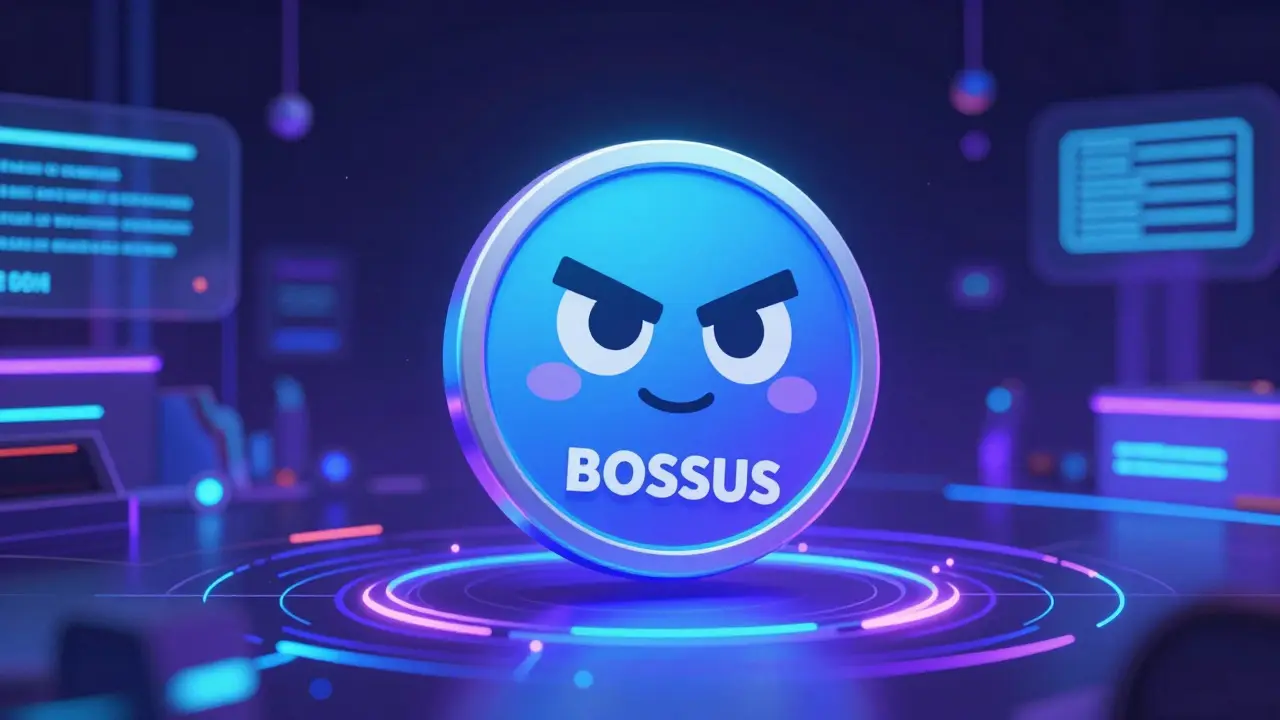
Have you seen the ticker BOSSUS popping up on your screen? If you are looking for the next big thing in crypto, this might feel like a promising lead. But before you send any funds, we need to look at what Boss US actually is. It is not a new technology platform. It is not a utility token powering an app. It is a meme coin built on the Solana blockchain, designed purely for speculation and community hype.
In the world of cryptocurrency, knowing the difference between a project with real-world use cases and a pure meme asset is the difference between investing and gambling. This guide breaks down exactly what BOSSUS is, how it works, and why it carries significant risk for anyone considering buying it in 2026.
The Basics: What Is Boss US?
Boss US is a digital token that operates as a standard SPL token on the Solana network. Launched in 2024, it markets itself with political-style slogans like “Make Crypto Great Again” and positions itself as the “fearless leader of the memecoin revolution.” The branding focuses heavily on themes of resilience, strength, and unity.
However, strip away the marketing language, and you find a very simple structure. There is no whitepaper detailing technical innovation. There is no identified team of developers or founders listed on major tracking sites like CoinMarketCap or LiquidityFinder. Instead, BOSSUS relies entirely on its narrative. It is a community-driven asset where value comes from social sentiment rather than underlying business revenue or protocol fees.
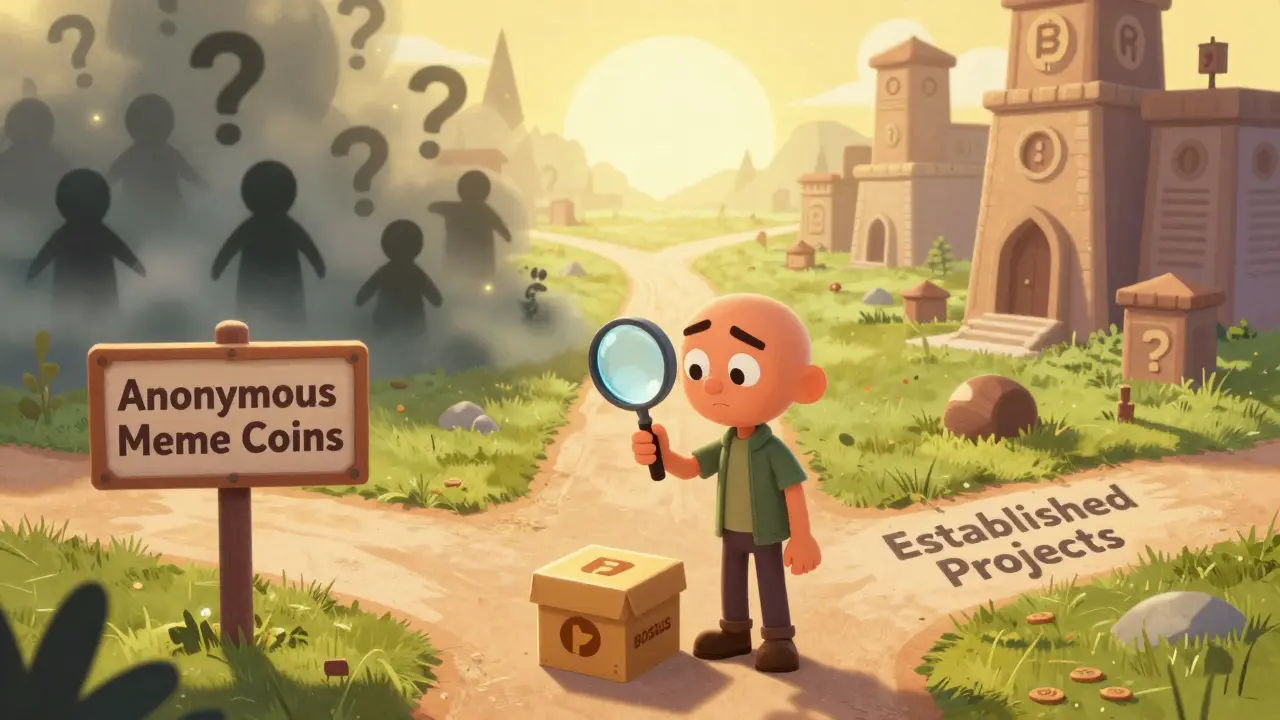
If you are used to projects that publish roadmaps, audit reports, and team bios, BOSSUS will feel different. It falls into the category of anonymous meme tokens, which are common on high-speed chains like Solana but lack the transparency found in more established cryptocurrencies.
Tokenomics and Supply Details
Understanding the supply is crucial when evaluating any crypto asset. For Boss US, the numbers are massive, which is typical for meme coins aiming for low per-unit prices.
- Total Supply: Approximately 1 trillion (1,000,000,000,000) BOSSUS tokens.
- Circulating Supply: Data varies slightly by source. Phantom wallet data from late 2025 showed roughly 997.29 billion tokens in circulation, suggesting a small portion may have been burned or locked.
- Maximum Supply: Most listings do not define a hard cap beyond the initial mint, meaning the practical limit is defined by the contract configuration at launch.
With a trillion-token supply, the price per individual coin remains microscopic. As of mid-2026, aggregators like CoinCheckup reported prices around $0.00000002880 USD. While seeing a number with eight decimal places can be confusing, it simply means you need billions of tokens to equal one dollar. This structure encourages traders to focus on percentage gains rather than absolute dollar values, a common psychological tactic in meme coin trading.
Market Performance and Liquidity
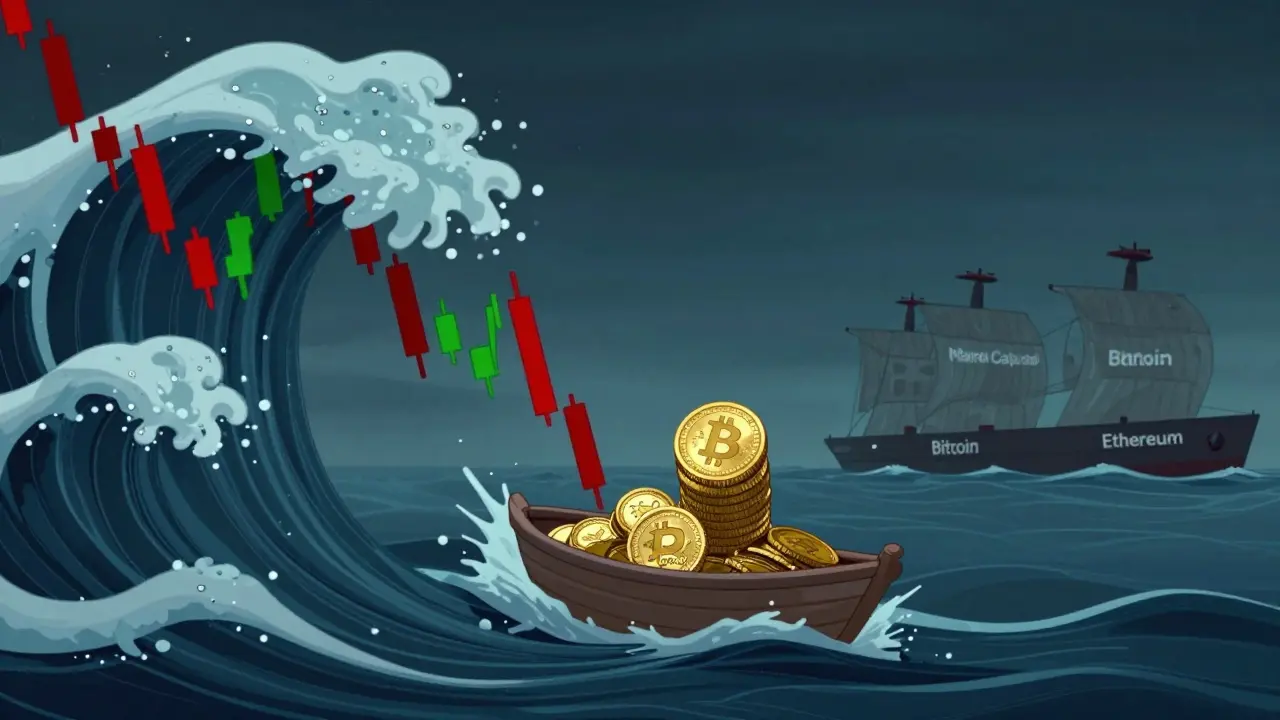
Let’s talk about the money side of things. In the crypto world, market capitalization tells you how much total value is tied up in a project. For BOSSUS, these numbers are extremely small.
| Metric | Value / Observation |
|---|---|
| Market Cap (Dec 2025) | ~$5,900 USD |
| Market Cap (May 2026) | ~$3,100 USD |
| Price Volatility | Low short-term movement due to thin liquidity |
| Exchange Listings | None on major centralized exchanges (CEX) |
A market cap under $6,000 places BOSSUS firmly in the “micro-cap” category. To put that in perspective, major meme coins like Dogecoin or Shiba Inu have market caps in the billions. BOSSUS is orders of magnitude smaller. This means two things:
- High Volatility Risk: A single trade of a few hundred dollars could significantly move the price up or down because there is so little liquidity in the pool.
- Liquidity Issues: Selling large amounts of BOSSUS might be difficult without crashing the price, as there aren’t many buyers waiting on the other side.
Data from May 2026 shows a decline in market cap compared to late 2025, indicating that interest has waned or holders have exited. Without constant influxes of new speculative capital, micro-cap tokens often struggle to maintain value.
How to Buy BOSSUS (And Why You Should Be Careful)
You won’t find BOSSUS on Binance or Coinbase’s main exchange platforms. Since it is a decentralized token, you have to buy it through a Web3 wallet connected to the Solana network. Here is the general process:
- Set Up a Wallet: Download a Solana-compatible wallet like Phantom or use the Web3 wallet feature in apps like Binance.
- Fund Your Wallet: Buy SOL (Solana’s native token) and transfer it to your wallet. You need SOL to pay for transaction fees (“gas”) and to swap for BOSSUS.
- Connect to a DEX: Use the swap function inside your wallet. This connects to decentralized exchanges (DEXs) like Raydium or Jupiter where BOSSUS liquidity pools exist.
- Execute the Swap: Enter the amount of SOL you want to trade and select BOSSUS as the target token. Confirm the transaction.
While the steps are straightforward, the risk lies in step 4. Because there is no central authority overseeing the trade, if the liquidity pool is drained or manipulated, you could lose your entire investment instantly. Always verify the token address carefully to avoid scams.
Risks You Cannot Ignore
Investing in BOSSUS is not like buying Bitcoin or Ethereum. It is closer to buying a lottery ticket. Here are the specific red flags you need to consider:
- No Transparency: There are no known founders, developers, or companies behind the token. If something goes wrong with the smart contract, there is no one to hold accountable.
- No Utility: BOSSUS does not provide governance rights, staking rewards, or access to a product. Its only “use” is being traded for profit.
- Regulatory Uncertainty: With no clear legal structure, it is unclear how regulators might classify BOSSUS in the future. Meme coins often face scrutiny when they gain sudden popularity.
- Community Dependence: The value is driven entirely by hype. If the community loses interest, the price can drop to near zero overnight. There is no fundamental floor price.
For context, compare BOSSUS to larger meme coins. Projects like Dogecoin have survived for years because they have massive communities and widespread recognition. BOSSUS lacks this depth. It is a niche asset with a tiny footprint, making it highly susceptible to market cycles and abandonment.
Is Boss US Worth It in 2026?
If you are asking whether BOSSUS is a safe investment, the answer is no. It is a high-risk, speculative asset with no underlying fundamentals. However, some traders participate in meme coin markets for entertainment or the chance of high returns, treating their investment as money they are fully prepared to lose.
Before you proceed, ask yourself: Do I understand the risks of micro-cap tokens? Am I comfortable with the possibility of losing 100% of my principal? If the answer is yes, and you still want to explore the Solana meme ecosystem, ensure you use a secure wallet and never invest more than you can afford to lose completely.
Remember, in the world of crypto, “Make Crypto Great Again” is just a slogan. Real financial security comes from understanding what you own, not just believing in the hype.
Is Boss US (BOSSUS) a scam?
There is no public evidence labeling BOSSUS as a direct scam, but it shares many characteristics with high-risk assets. The lack of an identifiable team, no audits, and anonymous deployment make it difficult to verify legitimacy. In crypto, anonymity often correlates with higher risk, even if the project isn't intentionally fraudulent.
Where can I buy BOSSUS?
You cannot buy BOSSUS on major centralized exchanges like Coinbase or Kraken. You must use a Web3 wallet like Phantom or Binance Web3 Wallet to connect to a decentralized exchange (DEX) on the Solana network, such as Raydium or Jupiter, and swap SOL for BOSSUS.
What is the total supply of BOSSUS?
The total supply of Boss US is approximately 1 trillion (1,000,000,000,000) tokens. This high supply results in a very low price per token, often displayed with many decimal places.
Does BOSSUS have any utility or real-world use?
No. BOSSUS is a meme coin with no documented utility, product integration, or governance functions. Its value is derived solely from community speculation and branding.
Why is the market cap of BOSSUS so low?
As of mid-2026, the market cap is under $6,000 because there is limited trading volume and few holders. It is classified as a micro-cap asset, meaning it has not gained widespread adoption or institutional interest.


Write a comment