






Imagine living in a country where holding digital currency is illegal, yet millions of people use it every day to send money home. This isn’t a sci-fi scenario; it’s the reality in Bangladesh. In 2025, despite a strict government ban on all cryptocurrency activities, the nation ranked among the top adopters globally. With 3.1 million verified users navigating underground markets, Bangladesh presents one of the most fascinating paradoxes in the fintech world today.
You might wonder how this is possible. If the central bank says no, why do people still say yes? The answer lies not in speculation or get-rich-quick schemes, but in pure economic necessity. For many Bangladeshis, crypto isn't an investment portfolio; it's a lifeline for receiving wages from abroad.
The Numbers Behind the Underground Boom
Let’s look at the hard data first. According to CoinLaw's 2025 cryptocurrency adoption statistics, Bangladesh has approximately 3.1 million active crypto users. That number is staggering when you consider that these individuals are operating in legal gray areas or outright violation of local laws.
Where does this place Bangladesh on the global stage? Research from CoinLedger in May 2025 positions the country at rank 35 in global adoption rankings. While this might sound modest compared to giants like India or Pakistan, it represents a significant portion of the population engaging with decentralized finance. Historical context helps here too-Chainalysis reports have previously seen Bangladesh hover around ranks 13 to 15 in various metrics, showing consistent, resilient engagement over time.
The Coinpedia Global Crypto Adoption Report 2025 groups Bangladesh alongside other notable emerging markets like Ethiopia and Turkey. These aren't countries known for tech innovation hubs; they are nations where traditional financial systems struggle to meet the needs of their citizens. This shared status highlights a crucial point: when banks fail, crypto fills the gap.
Why Stablecoins Are the Real Story
If you think Bangladeshi users are buying Bitcoin hoping it hits $100,000, you’re missing the bigger picture. The primary driver of adoption here is utility, specifically through stablecoins.
Bangladesh relies heavily on remittances sent by millions of workers employed overseas. Traditional banking channels for these transfers are often slow, expensive, and subject to heavy scrutiny or caps. Stablecoins-cryptocurrencies pegged to fiat currencies like the US Dollar (USDT or USDC)-offer a faster, cheaper alternative. They allow value to cross borders without losing purchasing power to inflation or exchange rate fluctuations.
This focus on stability over volatility is key. Users prioritize preserving wealth and accessing funds quickly rather than gambling on market swings. It’s a practical, survival-based approach to digital assets. You don’t need a complex understanding of blockchain technology to see the value in sending dollars instantly to a family member instead of waiting weeks for a wire transfer that loses 5% in fees.

How People Actually Access Crypto in Bangladesh
So, if exchanges are banned, how do these 3.1 million users actually buy and sell? The infrastructure is informal, resilient, and largely peer-to-peer (P2P).
- International Exchanges via VPN: Many users access global platforms like Binance or Bybit using Virtual Private Networks (VPNs) to bypass local internet restrictions. This allows them to trade directly on order books, though it carries risks of account freezes if identity verification flags their location.
- P2P Trading Platforms: This is the backbone of the ecosystem. Buyers and sellers connect directly, often negotiating prices slightly above market rates to compensate for risk. Payments are made through local bank transfers or mobile financial services like bKash, while the crypto is released from escrow held by the platform.
- OTC Desks and Local Networks: In major cities like Dhaka, informal networks exist where trusted brokers facilitate larger transactions. These operate on reputation and community trust rather than regulatory compliance.
This underground network creates a unique dynamic. While the government claims a "complete ban," enforcement is selective and difficult. You can’t easily police digital wallets or encrypted chats. As long as there is demand for efficient cross-border payments, the supply side will find ways to adapt.
Regional Context: South Asia’s Crypto Surge
To understand Bangladesh’s position, you have to look at its neighbors. The Asia-Pacific region led global crypto growth with a 69% expansion in 2025, according to Coinpedia. Within South Asia, the trends are similar but scaled differently.
| Country | Global Rank / Index | Key Driver | Regulatory Stance |
|---|---|---|---|
| India | Index 1.000 (Top Tier) | Tech Sector & Investment | Restrictive but Legal |
| Pakistan | Rank 3 (Index 0.619) | Freelance Earnings & Remittances | Strict Ban |
| Bangladesh | Rank 35 | Remittance Alternatives | Complete Ban |
| Cambodia | N/A | Hybrid Wallets (Bakong) | Complex/Mixed |
Notice the pattern? Countries with high adoption indices often share common pain points: inflation, capital controls, and reliance on foreign income. Pakistan, which added 5.4 million new users in 2025 alone, faces similar challenges to Bangladesh. Freelancers earning in USD need a way to bring that money home without being taxed heavily or blocked by banks. Bangladesh’s story is just a quieter version of this regional phenomenon.
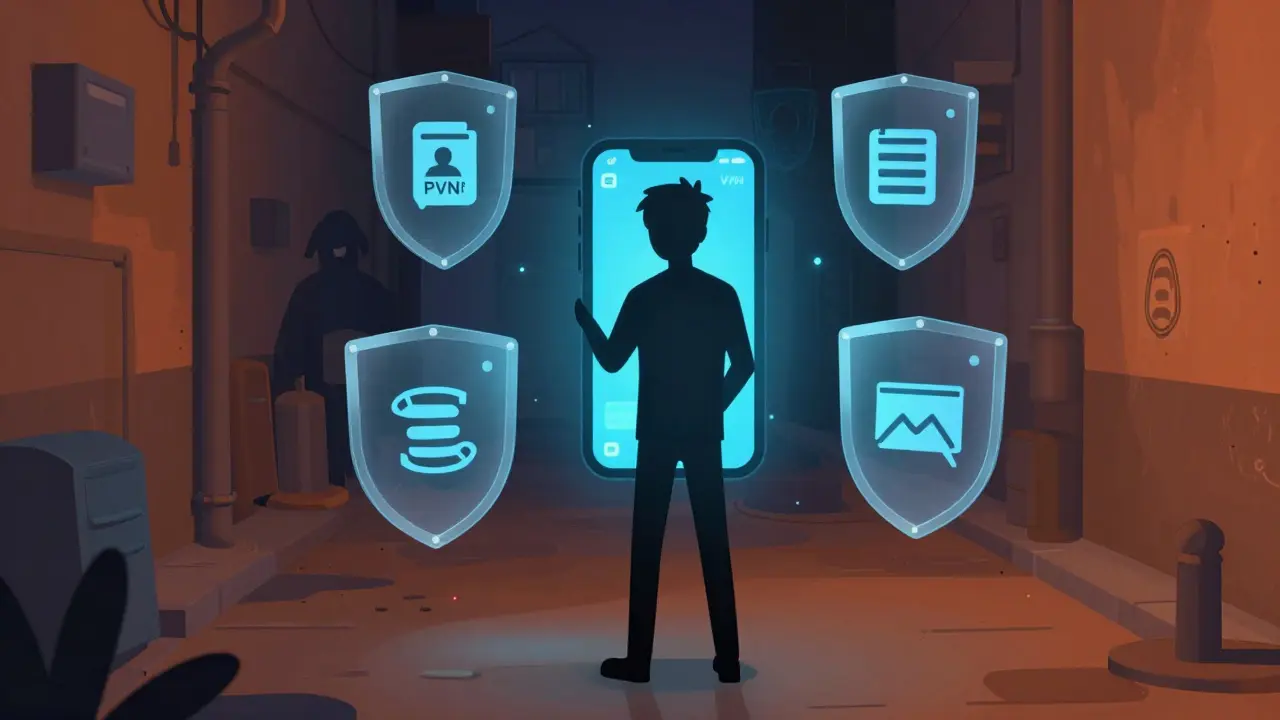
Risks and Realities for Users
Living in this shadow economy isn’t without dangers. For the average user in Dhaka or Chittagong, the risks are real and tangible.
First, there’s the threat of asset seizure. Banks may freeze accounts if they detect suspicious transactions linked to crypto exchanges. Second, there’s no consumer protection. If a P2P seller scams you, you can’t call the police expecting help; doing so might lead to your own arrest for violating crypto bans. Third, the premium cost. Because of the risk involved, buying crypto in Bangladesh often costs more than the global market price. You pay a "risk premium" for the convenience and speed.
Despite these hurdles, the demand remains inelastic. Why? Because the alternative-waiting months for formal remittance channels to clear, or losing significant value to unfavorable exchange rates-is worse. The utility outweighs the risk.
What Does the Future Hold?
The persistence of 3.1 million users suggests that the current ban is unsustainable in the long term. Governments cannot legislate away technological utility. As neighboring countries begin to explore regulated frameworks or tolerate usage for specific sectors, pressure may mount on Bangladesh to reconsider its stance.
We might see a shift toward recognizing stablecoins for remittances while banning speculative tokens. This would align with global trends where regulators distinguish between payment instruments and volatile assets. Until then, the underground market will continue to thrive, driven by the simple human desire for financial freedom and efficiency.
The case of Bangladesh proves that crypto adoption isn’t just about tech enthusiasts. It’s about everyday people finding solutions to broken systems. When the door is locked, people find a window. And in this case, that window is open wide.
Is cryptocurrency completely illegal in Bangladesh?
Yes, officially. The Bangladesh Bank has prohibited all institutions and individuals from dealing in cryptocurrencies. However, enforcement is difficult, leading to a large underground market where millions of users still engage in trading and remittances via P2P platforms and international exchanges.
Why do Bangladeshis use crypto if it's banned?
The primary reason is remittances. Millions of Bangladeshis work abroad and send money home. Traditional banking is slow, expensive, and restrictive. Stablecoins offer a fast, low-cost way to transfer value across borders, making them essential for families relying on foreign income.
How many crypto users are there in Bangladesh in 2025?
According to CoinLaw's 2025 data, there are approximately 3.1 million verified crypto users in Bangladesh. This figure represents a significant portion of the population actively using digital assets despite regulatory restrictions.
What is the biggest risk for crypto users in Bangladesh?
The biggest risks include bank account freezes due to suspicious transaction monitoring, lack of legal recourse in case of fraud or scams, and potential legal penalties for violating the ban. Users also face higher costs due to risk premiums in P2P trading.
How does Bangladesh compare to other South Asian countries in crypto adoption?
While India and Pakistan have higher adoption indices and user numbers, Bangladesh maintains a strong presence in global rankings (around rank 35). All three countries share similar drivers: remittances, inflation concerns, and freelance earnings. However, Bangladesh's adoption is more constrained by its stricter enforcement narrative compared to its neighbors.
Do people in Bangladesh mostly buy Bitcoin or stablecoins?
Most users focus on stablecoins like USDT or USDC. These assets provide stability and are primarily used for payments and remittances rather than speculative investment. This reflects a practical, utility-driven approach to cryptocurrency adoption in the region.