


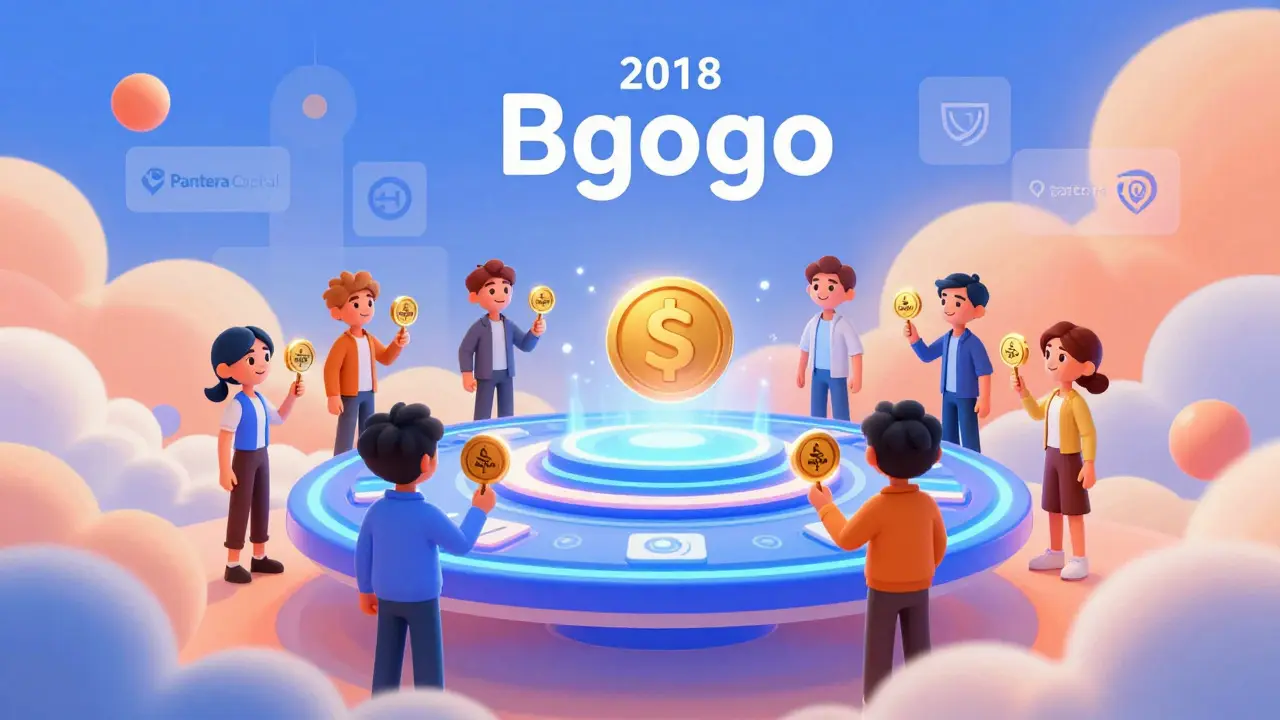
Remember when every new crypto exchange promised to change the world with "community governance"? In 2018, Bgogo was a revolutionary digital asset exchange platform that introduced a unique supernode system for listing authority and transparent token holder disclosure. It launched with buzz, backing from Pantera Capital, and a team boasting experience from tech giants. But it is now August 2026. The crypto landscape has shifted dramatically since then. If you are wondering whether Bgogo is still operational, safe, or worth your attention today, this review digs into what we know about its current status, its innovative past features, and the red flags you need to watch out for.
What Is Bgogo?
Bgogo is a cryptocurrency exchange that launched in July 2018. Unlike traditional centralized exchanges where a central committee decides which coins get listed, Bgogo positioned itself as a platform built "by the community, for the community." Its headquarters were located in China, led by CEO Ms. Zhang Yibo, who brought over 12 years of experience in asset management and private equity from Hong Kong and Mainland China.
The core promise of Bgogo was transparency and decentralization in decision-making. While many platforms talk about these values, Bgogo attempted to encode them directly into its economic model through its native token, BGG, and its distinctive supernode system.
The Supernode System: A Unique Governance Model
The most defining feature of Bgogo was its supernode architecture. This was not just a marketing term; it was a functional mechanism for listing new cryptocurrencies. Here is how it worked:
- One Vote, One Listing: Each supernode holder had the exclusive right to nominate one cryptocurrency to be listed on the Bgogo trading platform during their tenure. This removed the gatekeeping power typically held by exchange executives.
- 20% Per-Trade Commission Share: This was a massive incentive. The supernode holder received 20% of the trading fees generated from the specific coin they nominated, for the lifetime of that listing. This aligned the interests of the nominator with the success of the project.
- Total Transparency: Bgogo publicly updated and posted the BGG token holding positions of all supernodes on its website. At the time, this was unprecedented. Most exchanges kept their top investors' positions secret. Bgogo made them visible to everyone.
This system aimed to solve a major pain point in crypto: arbitrary listings. However, it also raised questions about potential conflicts of interest if supernode holders nominated low-quality projects solely for fee revenue.
BGG Token Mechanics: Negative Fees and Burn Mechanism
The native utility token, BGG, was designed to drive user activity and create deflationary pressure. The economics were aggressive:
- High-Frequency Trading Rebate: Users received BGG tokens equivalent to 105% of their trading fee within 30 minutes after each trade. Effectively, this created a "negative trading fee" structure, meaning active traders could theoretically earn more in rebates than they paid in fees.
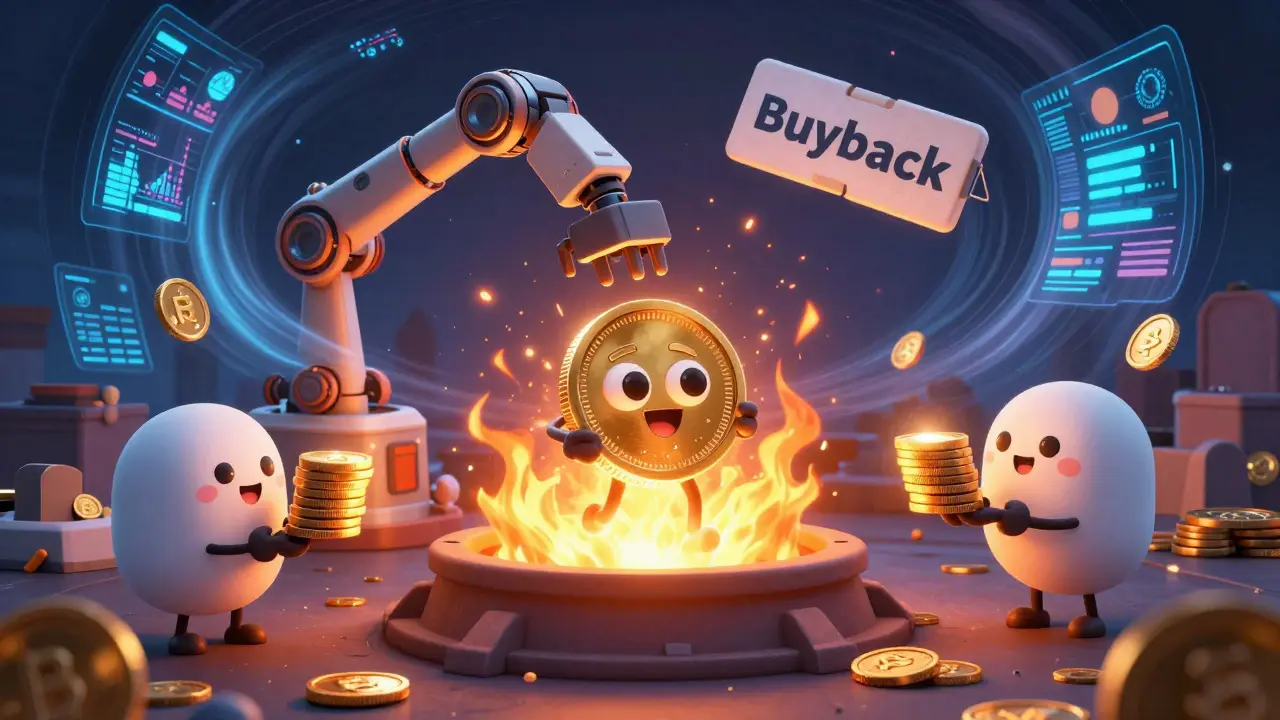
- Daily Buyback and Burn: Bgogo committed to using 100% of daily trading commissions to repurchase BGG tokens. These bought-back tokens were sent to a public burn address, permanently removing them from circulation. This mechanism was intended to provide constant price support for BGG holders.
For traders in 2018, this looked like a dream scenario. But such high rebate structures are often unsustainable long-term without significant external funding or rapid growth in trading volume.
Credibility Factors: Team and Investment
When Bgogo launched, it had strong credibility signals:
| Factor | Detail | Impact |
|---|---|---|
| Investment Backing | Pantera Capital | Pantera is a respected blockchain venture capital firm. Their involvement suggested due diligence had been performed. |
| Technical Team | Professionals from Google, Facebook, Twitter, IBM | Indicated strong engineering capabilities and potential for robust infrastructure. |
| Leadership | Ms. Zhang Yibo (CEO) | Over 12 years of experience in finance and asset management provided industry expertise. |
These factors gave Bgogo a solid foundation. However, in the crypto world, a strong launch does not guarantee long-term survival. Many well-funded exchanges have failed or faded into obscurity.
Current Status in 2026: What Do We Know?
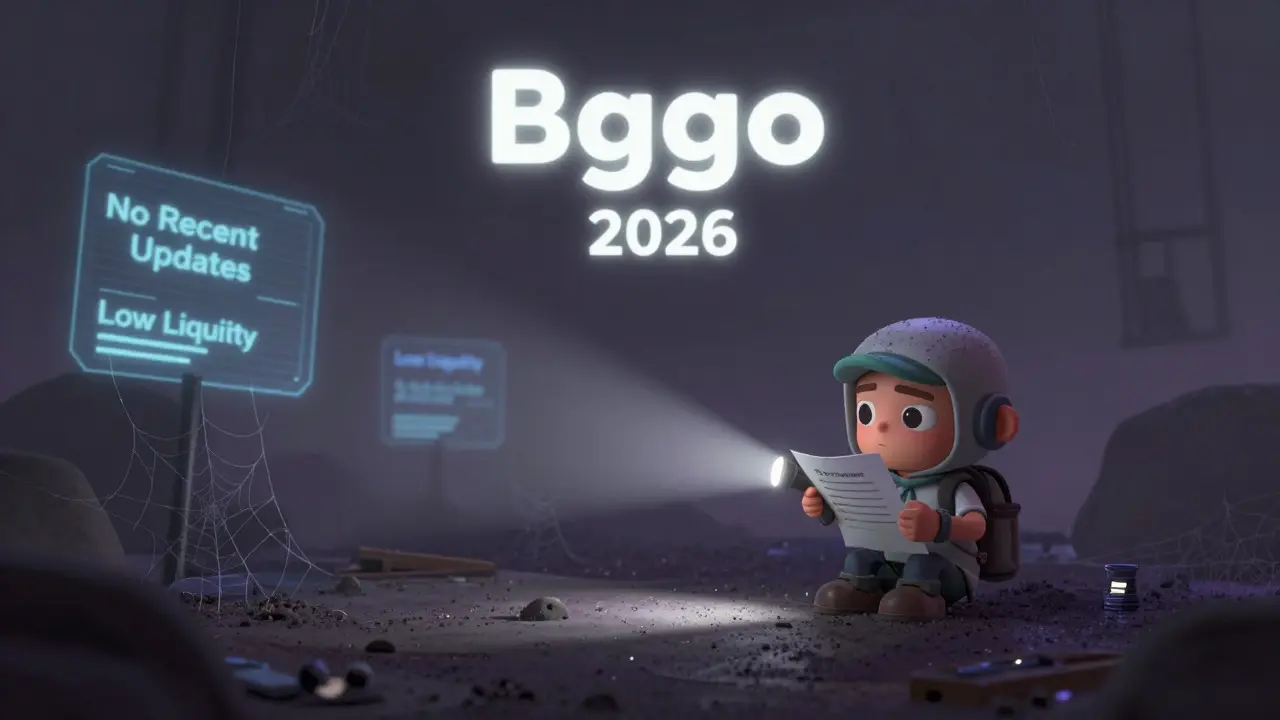
This is the critical section for any reader considering Bgogo today. As of August 2026, there is a significant lack of recent, verifiable information about Bgogo's operational status.
- Limited Recent Updates: Most available information dates back to the 2018 launch period. There are no recent news articles, press releases, or major platform updates from the last few years.
- No Active User Reviews: Major review platforms do not show recent user feedback, ratings, or complaints. This silence is unusual for an active exchange.
- Trading Volume Data Missing: There are no reliable sources providing current trading volumes, liquidity metrics, or user base size.
- Mobile App Availability: The Android app was previously available via Aptoide. It is unclear if this app is still maintained, updated, or functional in 2026.
- Token Tracking: BGG tokens can still be found on some decentralized exchanges and tracked on data platforms like CoinCarp, but this does not confirm active exchange operations.
The absence of recent communication is a major red flag. In the fast-moving crypto industry, silence for several years often indicates reduced activity, migration to other projects, or even cessation of operations.
Risks and Considerations for Potential Users
If you are considering interacting with Bgogo or holding BGG tokens in 2026, keep these risks in mind:
- Operational Uncertainty: Without clear evidence of active maintenance, customer support, or security audits, using the platform carries high risk.
- Liquidity Concerns: Low trading volume means you might struggle to buy or sell assets at fair prices, or at all.
- Regulatory Ambiguity: Headquartered in China, Bgogo operated in a jurisdiction with complex and changing crypto regulations. Its compliance status in 2026 is unknown.
- Token Value Volatility: The deflationary burn mechanism depends on trading fees. If trading volume is near zero, the buyback-and-burn function stops, potentially leading to token value erosion.
How to Verify Bgogo's Current Activity
Before committing any funds or time, take these steps to verify the exchange's status:
- Check Official Channels: Visit bgogo.com. Look for recent blog posts, announcements, or social media activity on Telegram, Twitter, or Reddit. Are they responding to users? Are there updates from 2025 or 2026?
- Contact Support: Send an email to [email protected]. Note the response time and quality. A slow or generic reply is a warning sign.
- Review On-Chain Data: Use block explorers to check the BGG burn address. Are tokens still being burned regularly? This confirms if the buyback mechanism is active.
- Search for Community Sentiment:** Look for discussions on crypto forums like Bitcointalk or Reddit. Are users reporting issues, withdrawals delays, or positive experiences?
Alternatives to Consider
If Bgogo appears inactive or risky, consider established exchanges with proven track records, regular updates, and strong regulatory compliance. Options like Binance, Coinbase, Kraken, or KuCoin offer robust features, high liquidity, and transparent operations. They may not have the unique supernode model, but they provide reliability and security that are crucial in 2026.
Final Thoughts
Bgogo was an ambitious project that introduced innovative concepts like supernode governance and transparent tokenomics. Its early backing and technical team gave it a strong start. However, in the current crypto landscape, sustained activity and communication are essential. With limited recent data, Bgogo's status remains uncertain. Proceed with caution, verify independently, and prioritize platforms with demonstrable ongoing operations.
Is Bgogo still operational in 2026?
As of August 2026, there is limited public evidence confirming Bgogo's active operations. Most information dates back to its 2018 launch. Users should verify current status by checking official channels, contacting support, and reviewing recent on-chain activity before engaging with the platform.
What is the Bgogo supernode system?
The supernode system allowed token holders to nominate cryptocurrencies for listing on the exchange. Each supernode had "One Vote, One Listing" power and received 20% of the trading fees from their nominated coin for life. This was designed to decentralize listing decisions and align incentives.
Who invested in Bgogo?
Bgogo secured strategic investment from Pantera Capital, a prominent blockchain venture capital firm. This investment provided credibility and funding at the time of launch in 2018.
How did the BGG token burn mechanism work?
Bgogo committed to using 100% of daily trading commissions to repurchase BGG tokens. These tokens were then sent to a public burn address, permanently removing them from circulation to create deflationary pressure.
Where can I find Bgogo's customer support?
Official contact channels include [email protected] for customer inquiries and [email protected] for business matters. The company also maintains presence on Telegram, Twitter, and other social platforms, though activity levels should be verified.
Is the Bgogo mobile app still available?
The Android app was previously distributed via Aptoide. Its current availability and functionality in 2026 are uncertain. Users should check the official website or app store for the latest status before downloading.
What are the risks of using Bgogo today?
Key risks include potential inactivity, low liquidity, lack of recent security audits, and regulatory uncertainty. The absence of recent updates and user reviews suggests caution is warranted before depositing funds.
Can I still buy BGG tokens?
BGG tokens may be available on some decentralized exchanges. Price and liquidity data can be tracked on platforms like CoinCarp. However, availability does not confirm active exchange operations or future value stability.