






Living in a country where cryptocurrency is banned or heavily restricted feels like trying to run a marathon with one leg tied behind your back. You want financial freedom, but the gates are locked. Traditional banks block transfers, and centralized exchanges refuse to serve you. For millions of people in nations like Nigeria, China, or Argentina, this isn't just an inconvenience-it’s a daily struggle for survival.
This is where P2P crypto platforms become more than just trading tools; they turn into lifelines. Peer-to-Peer (P2P) trading allows you to buy and sell digital assets directly with other users, bypassing the traditional banking system entirely. But navigating these platforms in restricted jurisdictions comes with unique risks, from account freezes to regulatory crackdowns. Let’s break down how to use them safely and effectively when the odds are stacked against you.
Why P2P Is the Only Game in Town
In many parts of the world, the government has declared war on crypto. They might ban it outright, or they might simply cut off the oxygen by forbidding banks from interacting with crypto companies. When that happens, centralized exchanges like Coinbase or Kraken pull out. They can’t risk their licenses.
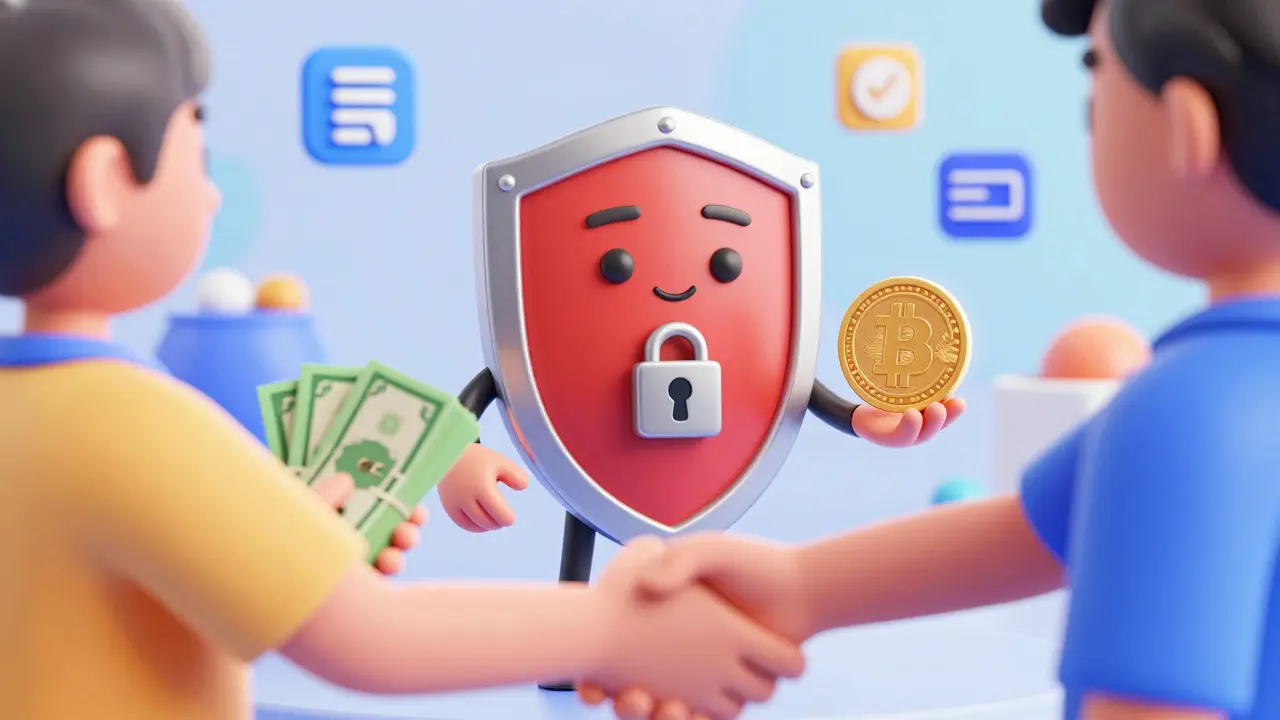
P2P platforms fill this void. Instead of buying Bitcoin from the platform itself, you buy it from another person. The platform acts as a middleman, holding your crypto in escrow until you confirm you’ve sent the fiat money via bank transfer, mobile money, or even cash deposit. This model works because it doesn’t require the platform to touch your local currency directly in a way that triggers immediate banking alerts-though that line is getting blurrier every day.
The demand is huge. In 2022, P2P volume in restricted countries grew by over 200%. Why? Because when inflation hits 84%, as it did in Turkey between 2018 and 2021, people need a place to park their savings. Or when remittance fees hit 6.5%, sending $200 home costs $13 in fees. P2P cuts that cost to under $3. It’s not about speculation; it’s about keeping money in your pocket.
Top Platforms Operating in Restricted Zones
Not all P2P platforms are created equal, especially when it comes to handling high-risk jurisdictions. Some have strict compliance teams that will ban you at the first sign of trouble. Others are built for resilience. Here are the main players you’ll encounter:
| Platform | Best For | Fees | Risk Level in Banned Countries |
|---|---|---|---|
| Binance P2P | Liquidity & Speed | 0% (paid by advertiser) | Medium-High (Strict KYC) |
| Paxful | Payment Variety | 1% - 5% | High (Many payment methods) |
| LocalBitcoins | Legacy Users | Variable | Very High (Declining Liquidity) |
| HodlHodl | Privacy & Non-Custodial | 0.6% (optional fee) | Low (No KYC required) |
Binance P2P is currently the giant in the room. It offers massive liquidity, meaning you can usually find a buyer or seller instantly. However, Binance has tightened its KYC (Know Your Customer) requirements significantly. If you’re in a country where crypto is illegal, using Binance carries a real risk of account suspension if they detect suspicious activity linked to your region.
Paxful is known for its sheer variety of payment methods. Need to pay with gift cards, mobile money, or Western Union? Paxful likely supports it. This flexibility is crucial in places where bank transfers are monitored closely. But be warned: the fees are higher, and fraud rates are also higher due to the complexity of payment methods.
HodlHodl stands out because it’s non-custodial. It doesn’t hold your funds. It uses multi-signature escrow technology where you, the counterparty, and the platform each hold a key. This means less central authority can freeze your assets, making it attractive for privacy-focused users in highly restrictive regimes.
The Risks You Can’t Ignore
Let’s be honest: trading crypto in a banned country is dangerous. Not just financially, but legally. Here are the three biggest threats you face.
1. Bank Account Freezes This is the most common nightmare. Even if you use a P2P platform, the money still moves through your local bank. If your bank sees frequent transfers to individuals with names that sound like crypto traders, they may flag your account. In Nigeria, reports suggest that over 20% of P2P users have experienced account restrictions. To mitigate this, never use your primary salary account for crypto trades. Use a separate account dedicated solely to this purpose.
2. Fraud and Scams In restricted markets, scammers know you’re desperate. They might send you a fake receipt claiming they transferred the money, hoping you release the crypto from escrow before the real transfer clears. Always verify the balance increase in your bank app directly, not just via SMS or email. And never, ever release crypto from escrow until the funds are fully available in your account.
3. Regulatory Crackdowns Governments are waking up. The Financial Action Task Force (FATF) has pushed for the "Travel Rule," which requires exchanges to share sender and receiver information for transactions over $1,000. While P2P platforms try to stay ahead of this, the net is tightening. If your country decides to enforce bans strictly, your identity could be exposed through transaction metadata.
How to Stay Safe: A Practical Checklist
If you decide to proceed, you need to operate like a spy. Here is a step-by-step guide to minimizing your risk.
- Use a Dedicated Device: If possible, use a separate phone or computer for crypto activities. Avoid logging into your crypto accounts on devices connected to your work or primary personal networks.
- Enable Two-Factor Authentication (2FA): Never rely on SMS 2FA alone. Use an authenticator app like Google Authenticator or Authy. Better yet, consider hardware keys like YubiKey if the platform supports them.
- Check Counterparty Reputation: On platforms like Paxful or Binance, only trade with users who have completed over 50-100 trades and have a positive feedback rating above 95%. Don’t take shortcuts for a slightly better price.
- Keep Transactions Small: Large transactions attract attention. Break up large purchases into smaller chunks spread over different days. This helps avoid triggering anti-money laundering (AML) flags.
- Understand Local Laws: Just because a platform says they operate in your country doesn’t mean it’s legal. Research your specific national regulations. In some countries, owning crypto is legal, but using it for payments is not. Know the difference.

Technical Hurdles and Workarounds
In many restricted countries, you won’t find crypto apps on the Google Play Store or Apple App Store. Governments pressure tech giants to remove them. So, how do you get the software?
You’ll often need to download APK files directly from the platform’s website. This introduces security risks. Malicious actors can create fake APKs that steal your login credentials. Always verify the download source. Check the hash signature of the file if you’re technical enough. For iOS users, sideloading is much harder, so many rely on web-based interfaces instead of native apps.
Internet censorship is another hurdle. Some countries block access to major crypto sites. Using a reputable Virtual Private Network (VPN) can help, but remember: using a VPN might be illegal in some jurisdictions. Weigh the risks carefully. Tor browsers offer another layer of anonymity but come with slower speeds and a steeper learning curve.
The Future of P2P in Restricted Markets
The landscape is shifting. Central Bank Digital Currencies (CBDCs) are being tested in several countries as a way to control money flow while offering digital convenience. At the same time, decentralized finance (DeFi) protocols are emerging that don’t require any central platform at all. These peer-to-peer smart contracts allow direct swaps without an intermediary company.
However, DeFi has a steep learning curve and lacks the user-friendly support of platforms like Binance. For now, P2P platforms remain the bridge for the average user. As long as there are countries with capital controls and hyperinflation, P2P crypto will thrive. It’s a cat-and-mouse game between regulators and innovators, and for the everyday user, staying informed is your best defense.
Is it legal to use P2P crypto platforms in banned countries?
Legality varies by country. In some places, owning crypto is legal, but trading it is restricted. In others, both are illegal. Always consult local laws. Using P2P platforms does not exempt you from national regulations, and you could face fines or account closures.
Which P2P platform is safest for restricted countries?
There is no perfectly safe platform. Binance P2P offers high liquidity but strict KYC. HodlHodl offers more privacy but lower liquidity. Choose based on your priority: speed and ease of use (Binance) or privacy and decentralization (HodlHodl).
What should I do if my bank account is frozen?
Contact your bank immediately to understand the reason. Be prepared to provide transaction records. In the future, use a separate bank account for crypto-related transactions to isolate risk. Do not admit to illegal activities if you are unsure of the local laws; seek legal counsel.
Can I avoid KYC on P2P platforms?
Most major platforms like Binance and Paxful require KYC. Non-custodial platforms like HodlHodl or Bisq do not require identity verification, but they often have lower liquidity and higher transaction fees. Avoid unregulated platforms promising no-KYC with high limits, as they are often scams.
How do I protect myself from P2P scams?
Only trade with verified users with high completion rates. Never release crypto from escrow until you see the funds in your bank account balance, not just a notification. Keep all communication within the platform’s chat system for dispute resolution.


Write a comment