






Want to trade crypto in South Korea? You can’t just sign up and start buying Bitcoin like you would on Binance or Coinbase. If you’re in Korea, or even just trying to access the Korean market from abroad, you’re stuck with one hard rule: real-name bank accounts. It’s not optional. It’s not a suggestion. It’s the law.
Why Korea Demands Real Names for Crypto
In 2018, South Korea was one of the biggest crypto markets in the world. Trading volumes were soaring, but so were concerns. Money laundering, tax evasion, and anonymous trading were running wild. The government didn’t shut it down-instead, they built a wall. They made it illegal to trade crypto unless your wallet was linked to a bank account under your real, government-registered name. The move wasn’t random. It came after a public backlash. The Justice Minister at the time, Park Sang-ki, had threatened to ban crypto entirely. Over 220,000 South Koreans signed a petition demanding a regulated system instead. The Financial Services Commission listened. On January 23, 2018, they announced the real-name system. It wasn’t just about control. It was about trust. Now, every trade you make on a Korean exchange has to come from-and go to-a bank account in your exact legal name. No aliases. No offshore accounts. No anonymous wallets. Your identity is tied to every transaction. And the banks are watching.How the System Actually Works
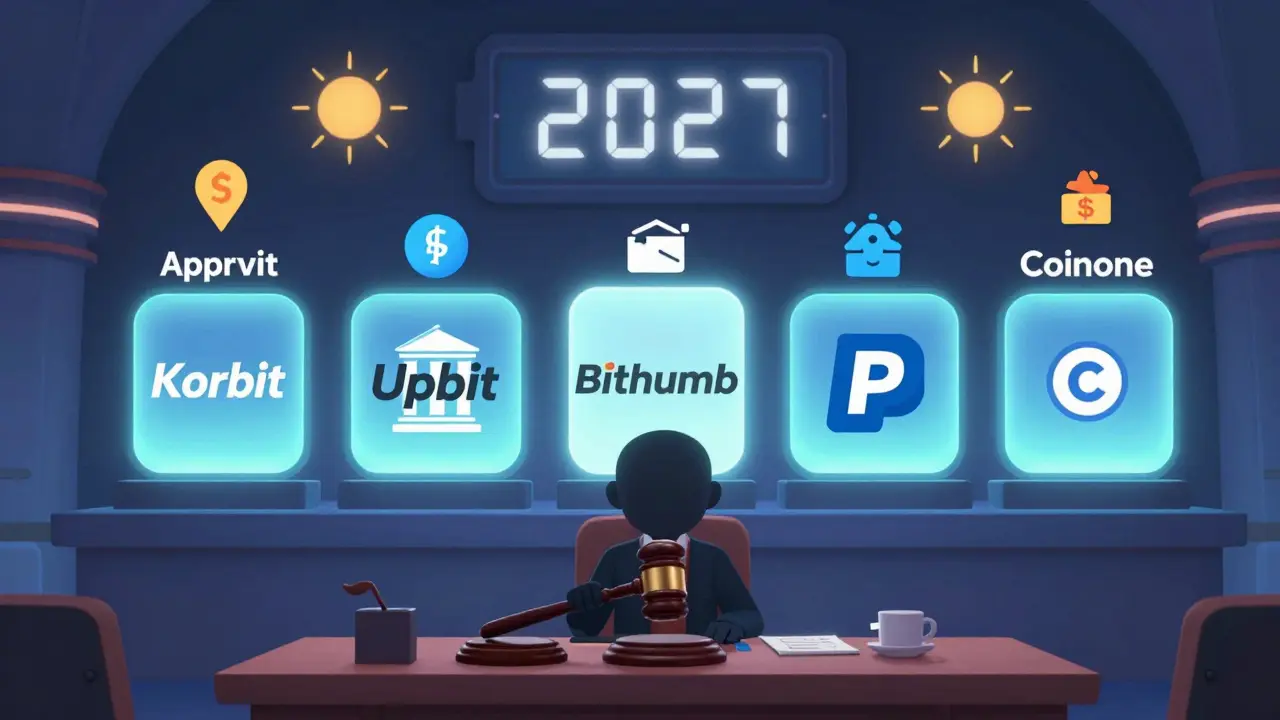
It’s not enough to have a Korean bank account. You need the right one. And you need to use it with the right exchange. South Korea doesn’t let just any bank work with any crypto platform. Only five exchanges have been approved to link directly with real-name bank accounts through the Financial Intelligence Unit (FIU). These are the only ones allowed to process KRW deposits and withdrawals. Here’s who’s connected to whom:- Korbit → Shinhan Bank
- Upbit → K-Bank
- Bithumb → Kookmin Bank
- Coinone → Kakao Bank
- Open a real-name bank account in your name at one of the approved banks.
- Register on the matching exchange and complete KYC-passport, national ID, proof of address.
- Link your bank account to your exchange wallet.
- Transfer KRW from your bank to the exchange’s designated deposit account.
- Trade. Withdrawals follow the same path back.
Who Can Use It? (Spoiler: Not Everyone)
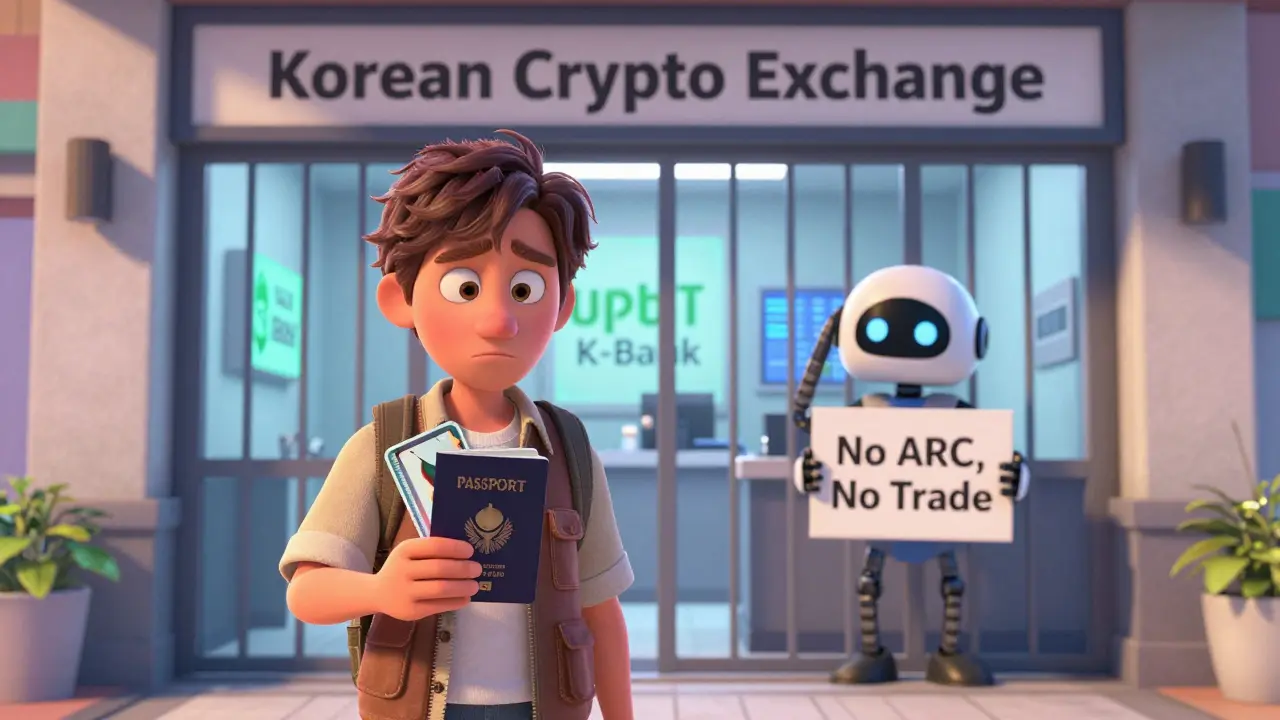
If you’re a South Korean citizen with a resident registration number, you can do this. It’s a hassle, but it’s possible. If you’re not a citizen? Good luck. Foreigners need three things to open a real-name bank account in Korea:- A valid long-term visa (not a tourist visa)
- An Alien Registration Card (ARC)
- A Korean mobile phone number
Why This System Exists (And Why It’s Tough to Change)
South Korea’s system isn’t just about stopping crime. It’s about control. The government wants to know who’s buying Bitcoin. Who’s selling Ethereum. Who’s making money. Why? Because they’re going to tax it. Starting in 2027, anyone in Korea who earns income from crypto trading will pay income tax on it. The tax rate? Up to 24.2% for high earners. Corporations will also be taxed on crypto profits as domestic income-even if they’re foreign companies. That’s why the real-name system is here to stay. Without it, the government can’t track who owes taxes. Without tracking, they can’t collect. And with over 12 million South Koreans expected to be using crypto by 2025, the tax revenue potential is massive. The system also forces exchanges to be clean. Only those that pass strict security audits and KYC checks get bank access. That means fewer scams. Fewer rug pulls. Fewer shady platforms. But there’s a cost. Only five exchanges have full bank access. Dozens of others have filed for registration, but they can’t move money. That limits competition. It limits choice. And it makes the market less dynamic.What It Means for You
If you’re a South Korean citizen:- You can trade crypto legally and safely.
- You’ll need to pick one exchange and stick with its partner bank.
- You’ll pay taxes on profits starting in 2027.
- You’ll get better customer support from big exchanges like Upbit and Bithumb-but expect mostly Korean-language help.
- You can’t trade on Korean exchanges unless you’re a long-term resident.
- You can’t use international banks to fund your crypto trades in Korea.
- You’ll need to use global exchanges like Binance, Kraken, or Bybit instead.
- Trying to bypass the system with fake documents or third-party accounts? That’s illegal-and risky.


Write a comment